
10 August 2026: New analysis from the Institute for Scientific Information on Coffee has revealed more than one million searches for coffee health myths in the last year* as misleading content relating to nutrition, wellbeing and coffee consumption continues to increase on social media platforms such as TikTok and Instagram.
There are now more than 20 million posts related to coffee and caffeine on TikTok, while searches for “coffee” have increased by 40% over the last five years. As much as 98% of nutrition content on TikTok could be inaccurate when compared to public health guidelines 1, and with one in five people now turning to social media for health information 2, viral trends can spread rapidly and shape health behaviours regardless of whether they are supported by scientific evidence.
Coffee is the most consumed beverage worldwide and is widely discussed online. Some of the most common myths identified through the analysis of social media channels were:
- Myth: Coffee is bad for your heart
Recent studies show no association between coffee intake and an increased risk of cardiovascular disease (CVD) and coronary heart disease (CHD). Research suggests that a moderate intake of coffee may reduce incidences of CVD and CVD mortality risk 3-6.
- Myth: Decaffeinated coffee is pointless
Decaffeinated coffee still contains many compounds found in coffee, including polyphenols, chlorogenic acids, antioxidants and essential minerals like potassium and magnesium. Both caffeinated and decaffeinated coffee have also been linked to a reduced risk of type 2 diabetes7.
- Myth: You shouldn’t drink coffee on an empty stomach
There have been over 250,000 searches relating specifically to coffee and gut health, with a 50% increase in searches for “coffee empty stomach” compared to last year. Research shows that moderate coffee consumption (3-5 cups per day) stimulates the release of gastric acid, bile and pancreatic enzymes, along with digestive hormones like gastrin and cholecystokinin (CCK)8, which help to break down food, especially fats, during digestion. Research also suggests that coffee consumption is associated with a healthy gut microflora 9,10.
- Myth: Coffee makes you dehydrated
Scientific studies have demonstrated that coffee consumption contributes to fluid balance and does not lead to dehydration. Research shows that when coffee is consumed in moderation, it contributes to fluid balance and does not negatively affect hydration, since it is composed of more than 95% water 11.
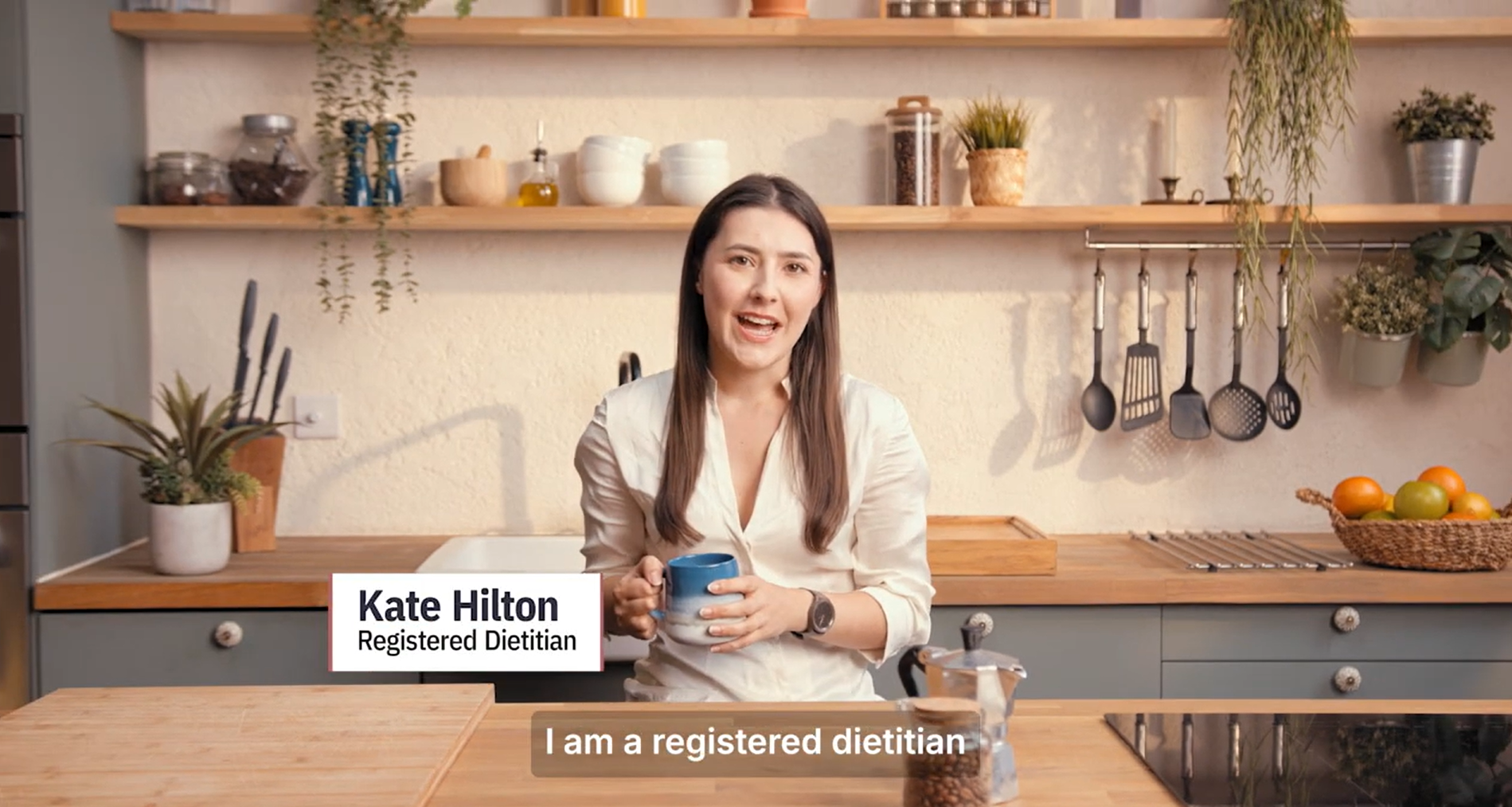
As a Registered Dietitian, Kate Hilton tackles diet myths across social media (@dietsdebunked on TikTok and Instagram):
“There are so many coffee myths on social media. Many of them are based on grains of truth that have been exaggerated or taken out of context, while others are simply not supported by the evidence.
“From the best time to drink coffee, to its impact on your heart health, digestion and sports performance, it can be difficult for people to separate credible health information from viral trends. That’s why it is so important to look critically at what we see online, check where information is coming from, and rely on qualified health professionals and reputable, science-backed sources when making decisions about diet and health.”
In response to the rise of coffee-related misinformation,the Institute for Scientific Information on Coffee has worked with Kate Hilton to address some of the most common coffee health myths circulating online. The new video and social media content aims to help viewers identify credible nutrition advice and better understand the current evidence around coffee and health.
– ENDS –
Notes to editors
Kate Hilton is a Registered Dietitian and Head of Nutrition and Dietetics at Diets Debunked. @dietsdebunked on TikTok and Instagram.
The video was developed in partnership with the Institute for Scientific Information on Coffee (ISIC).
*Search figures are based on global Google search volumes.


